KICKER OF THE WEEK
It was so good that it made Jess switch from Titanic Plum Porter. It was so good that she didn’t even resent the inevitable day after headache. It was so good that, even with the headache, she co-wrote a blog post about it.
From Two decades in pursuit of perfect pints of ESB
PETE BROWN DOUBLEHEADER
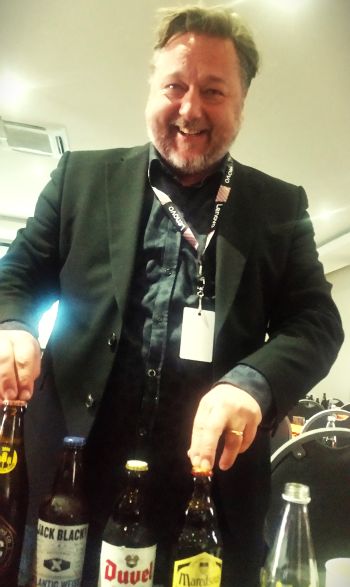 – Tasting Notes: The Art and Science of Pairing Beer and Music. Pete Brown is busy promoting his next book, available in May or June, while he still writes it. The photo on the right was taken at a conference in South Africa in 2017, where I was talking about a) hops and b) brewing with local ingredients (they pay your way to South Africa, they keep you working). Brown was refining his pairing beer and music act. His presentation was a lot more fun than mine, and not only because it included drinking beer. He’s done plenty of research since and the book will include a “look at recent research that proves – yes, proves – that on top of all the contextual stuff, our brains have formed deep-seated relationships between what we taste and what we hear, and how changing background music can alter the flavour of your beer.” I’m looking forward to it, even if he doesn’t find a beer to pair with the music of John Moreland.
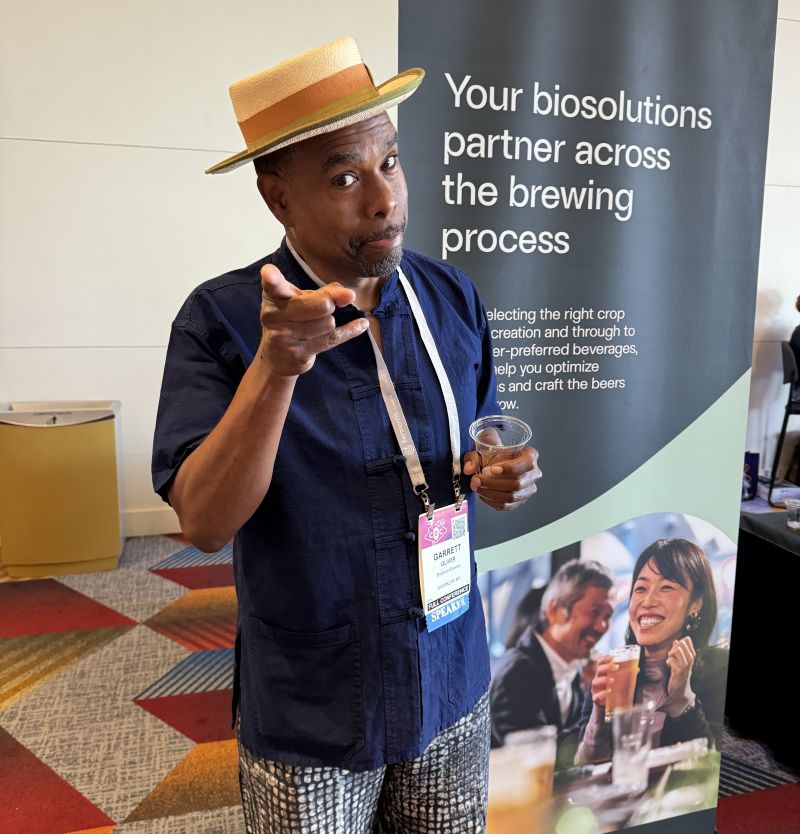
 The Session is back and the topic today is, “What is the best thing to happen in good beer since 2018?”